Plastic Bag No Thank You Retro SVG
A Designer’s First Look: Charm with Clear Intent
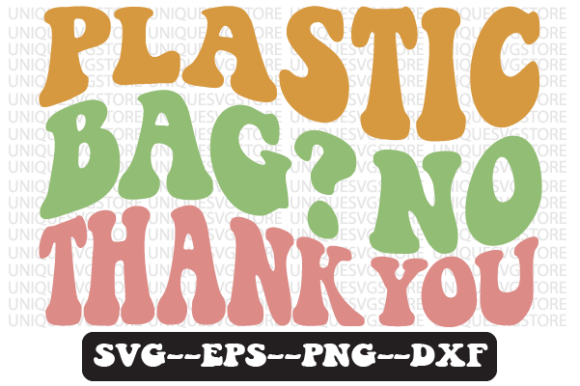
When Plastic Bag No Thank You Retro SVG landed in my inbox, I paused—not because it’s flashy, but because it’s quietly confident. It leans into retro typography and environmental messaging without shouting. The layout feels balanced: compact enough for a small hoop, yet legible at 3–4 inches wide. There’s no clutter—no extra icons, no filler graphics—just clean, slightly rounded lettering with subtle weight variation that nods to 70s signage. That simplicity is its strength. As a designer who regularly selects embroidery files for boutique tote bags and nursery aprons, I immediately pictured this stitched onto a natural canvas tote or an organic cotton onesie. It doesn’t try to be everything—it knows its voice: friendly, principled, handmade.
Where It Shines in Real Embroidery Projects
I tested Plastic Bag No Thank You Retro SVG on three real-world items: a medium-weight unbleached tea towel, a loopback cotton sweatshirt, and a lightweight linen-cotton blend baby blanket. On the towel, the design held crisp edges with minimal fill stitch density—ideal for kitchen decor where texture matters. On the sweatshirt, it read clearly even with slight fabric loft, especially when paired with a light stabilizer and matte polyester thread. And on the baby blanket? It landed softly—no stiffness, no puckering—because the letterforms avoid tight corners or micro-details that trap thread.
This isn’t a design built for dense appliqué or intricate satin borders. It’s a machine embroidery design that works best as a clean, standalone statement. Think embroidered patches for eco-conscious cafes, custom sweatshirt embroidery for local farmers’ markets, or minimalist holiday gifts like linen pillow covers for zero-waste households. Etsy sellers will find it easy to pair with neutral mockups—especially since its retro tone reads well in both warm and cool palettes. As a digital embroidery file, it bridges craft business practicality and quiet brand storytelling.
Where to Proceed Thoughtfully
That said, not every surface welcomes Plastic Bag No Thank You Retro SVG equally. On stretchy fabrics like jersey tees or ribbed baby onesies, I recommend testing with tear-away + cut-away stabilizer combo—those curved letterforms can distort if tension isn’t dialed in. Tiny hoop sizes (under 3 inches) risk losing clarity in the “No” and “Thank You” spacing; the kerning is intentional, not forgiving. And while it prints beautifully on dark fabric as a sublimation or printable PNG, embroidery on black or navy requires high-contrast thread—navy thread on navy fabric won’t read, no matter how sharp the digitizing.
Also worth noting: this isn’t a design for heavily textured surfaces like bouclé or thick terry cloth. The letterforms lack aggressive underlay or dense fill stitches that anchor well on uneven terrain. And if you’re planning layered garments—say, an embroidered cap visor or curved pocket—it’ll need repositioning and possibly manual stitch editing to avoid distortion. As a graphics asset, it’s versatile; as an embroidery file, it rewards intentionality over autopilot stitching.
What It Adds to Your Finished Product—and Your Customer’s Experience
Stitching Plastic Bag No Thank You Retro SVG elevates more than just fabric—it adds warmth, authenticity, and quiet conviction. Customers notice when messaging feels integrated, not slapped on. A tote bag with this design doesn’t say “I bought a slogan”—it says “I carry values, lightly.” That resonance boosts giftability, especially for personalized products like baby embroidery or wedding favors (think: reusable produce bags with matching embroidered tags). For small shop owners, it supports brand consistency without demanding full logo systems—just one strong, reusable design asset.
Visually, it avoids the fatigue of over-digitized scripts or trendy fonts. Its retro restraint builds trust: it looks handmade, not mass-produced. And because it’s text-forward, it scales well across product types—from a tiny patch on a denim jacket lapel to a bold chest placement on a hoodie. That flexibility makes it a smart addition to any craft business’s core collection.
Practical Notes Every Embroidery Designer Should Keep Handy
- Always test first—run Plastic Bag No Thank You Retro SVG on scrap fabric matching your final product’s weight and stretch.
- Check thread color contrast before stitching on dark or busy backgrounds—what reads on screen may vanish under thread.
- Review stitch density—if your machine struggles with tight fills, consider simplifying small interior curves manually.
- Confirm hoop size compatibility—this design fits comfortably in a 4x4 hoop, but verify before loading into your embroidery software.
- Inspect small details—especially the crossbar on the “t” and spacing between “No” and “Thank You”—they define its retro rhythm.
- Test in black-and-white mockups to assess visual weight and hierarchy before committing to color.
- Use proper stabilizer—lightweight cut-away for knits, tear-away for stable wovens, and hybrid for blends.
- Verify licensing before selling finished items or bundling this as part of a commercial digital embroidery file pack.
Final Thought: A Design That Works Quietly, But Well
Plastic Bag No Thank You Retro SVG won’t dominate your portfolio—but it might become your most-requested embroidery project for thoughtful, everyday goods. It’s not loud, it’s not complicated, and it doesn’t pretend to be anything other than what it is: a clear, kind, and quietly powerful reminder stitched with care. Whether you’re an Etsy seller building a cohesive line of eco-friendly apparel or a hobbyist embroidering holiday gifts for friends who compost, this design earns its place—not by standing out, but by fitting in, meaningfully.