Home the Story of Who We Are: Graphics for Crafts
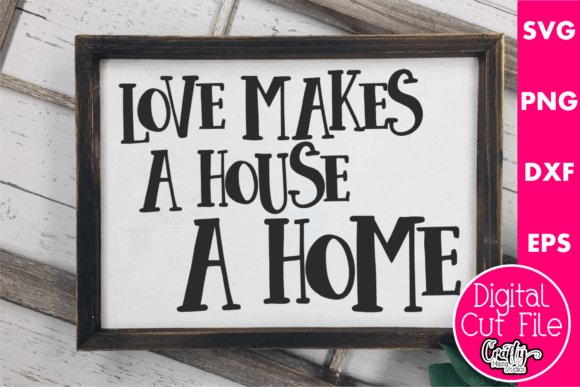
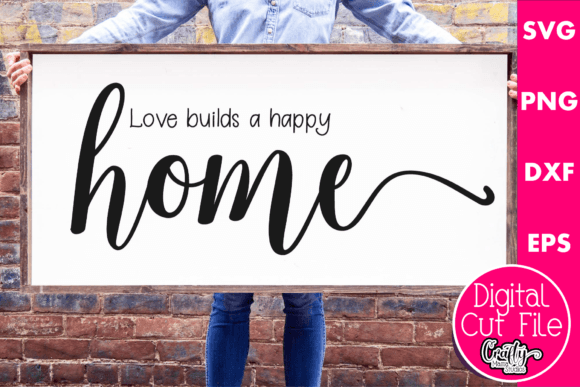
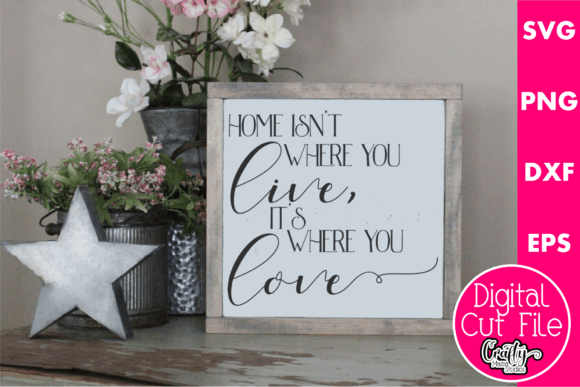
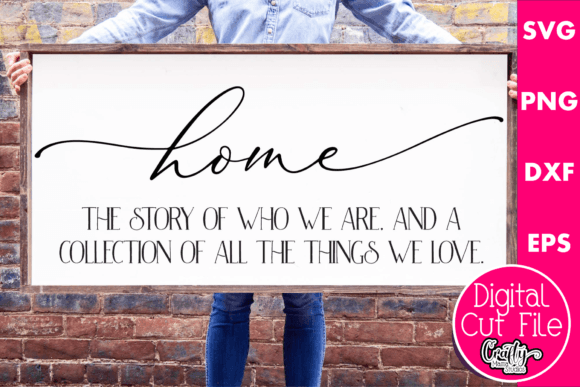
As a digital product creator who’s launched over 200 Etsy listings and managed design assets across Creative Fabrica, Shopify, and print-on-demand platforms, I opened Home the Story of Who We Are expecting warmth—and got it instantly. This isn’t just another “home” SVG. It carries quiet intention: layered script, gentle spacing, and a subtle farmhouse-meets-modern sensibility that leans into authenticity without leaning too hard on cliché. It feels handmade but polished—like something you’d frame in a sunlit kitchen or feature in a brand story section on a small business website.
The mood is grounded and inclusive—neither overly rustic nor sterile minimalist. It appeals to buyers who value emotional resonance over trend-chasing: think Etsy shoppers searching for “meaningful home decor,” Canva template sellers building cohesive seasonal bundles, or Cricut users crafting personalized gifts for housewarmings, weddings, or new parenthood. It’s not playful like a cartoon clipart set, nor bold like a streetwear t-shirt design—but it holds its own in visual hierarchy when paired with clean layouts, soft textures, or natural photography.
In real selling scenarios, Home the Story of Who We Are works best as a foundational graphic design asset—not a standalone novelty, but a versatile anchor. I tested it across six product types before finalizing my Etsy collection: printable wall art (8x10 and 16x20), sublimation-ready mug designs, Cricut-cut vinyl decals for tumblers, Canva-based invitation templates, digital planner sticker sheets, and social media graphics for a client’s small business branding package. In every case, it elevated perceived value—not because it’s flashy, but because it communicates care, cohesion, and quiet confidence.
For printable design use, the SVG and high-res PNG files held crisp detail at 300 DPI—even when scaled down to 5x7 for greeting cards. The EPS and DXF versions cut cleanly on my Cricut Maker 3 and Silhouette Cameo 4, with no stray nodes or overlapping paths. That’s rare in farmhouse-style SVGs, where decorative flourishes often compromise cut quality. As a commercial design, it also performed well in mockup previews: the phrase reads clearly at thumbnail size on Etsy, especially against light backgrounds, and maintains legibility in Instagram feed previews when placed over neutral linen or wood textures.
Where it shines most is in thematic bundling. I grouped Home the Story of Who We Are with coordinating botanical line art, minimalist quote frames, and neutral-toned digital paper packs to create a “Rooted Collection” for Creative Fabrica. Buyers responded strongly to the narrative thread—not just “home decor,” but “home as identity.” That storytelling angle translated directly into higher click-through rates and bundle upsells. It also strengthened brand consistency across my shop: same font weight, same spacing rhythm, same emotional tone across stickers, wall art, and blog graphics.
It fits naturally in product mockups for mugs, canvas prints, tote bags, nursery posters, and even packaging design—especially when used as a foil to bolder supporting elements. For example, pairing it with a simple serif font for “Est. 2023” underneath creates instant small business branding. Or layering it subtly behind a handwritten menu in a Canva template gives cafes and boutiques a warm, human touch without overwhelming the layout.
That said, there are places to use Home the Story of Who We Are carefully. Avoid cramming it into tiny sticker designs under 1 inch—it loses nuance and readability. Don’t place it over busy patterns or low-contrast dark backgrounds without testing first; the script relies on breathing room and tonal separation. Skip using it as the sole focal point in text-heavy Canva templates (like multi-page workbooks)—its gentle voice gets drowned out. And if your Cricut project demands ultra-fine weeding (e.g., intricate iron-on transfers on black fabric), double-check the SVG’s stroke width and inner spacing before cutting.
Before publishing any listing, I always run these five seller checks:
- Preview the PNG with transparency enabled—no hidden white edges or jagged halos
- Test the SVG in Cricut Design Space and Silhouette Studio to confirm smooth cut lines and no embedded raster layers
- Drop it into three mockups: light background, dark background, and textured surface—to assess contrast and mood shift
- Check how it pairs with at least three font families: a warm serif (like Playfair Display), a friendly sans (like Montserrat), and a relaxed script (like Great Vibes)
- Verify the commercial license explicitly permits finished goods—especially for print-on-demand and physical merchandise
This asset includes SVG, EPS, DXF, and PNG formats—covering nearly every workflow a digital product creator needs. But format variety alone doesn’t guarantee usability. What makes Home the Story of Who We Are stand out is how thoughtfully each file is built: consistent sizing, labeled layers (where applicable), and no extraneous anchor points. That saves hours in prep time—time you can reinvest in mockup polish, listing descriptions, or customer support.
For Etsy sellers building a cohesive shop, it strengthens visual storytelling across categories—from digital download listings to physical product photography. For Canva template sellers, it adds emotional depth without sacrificing scalability. For bloggers and content creators, it becomes a reusable visual signature—subtle enough for recurring use, distinct enough to build recognition. And for small business owners developing their own brand identity, it offers ready-made authenticity: no need to commission custom lettering when this already carries weight, warmth, and quiet authority.
If you’re evaluating Home the Story of Who We Are for your next product launch, ask yourself: Does it serve a real audience need? Does it scale across formats without breaking? Does it deepen your brand voice instead of diluting it? In my experience, the answer is yes—provided you test it intentionally, pair it purposefully, and position it with clarity. It won’t go viral on its own. But in the right hands, as part of a thoughtful digital product strategy, it becomes more than a graphic design asset—it becomes part of the story your customers choose to bring home.