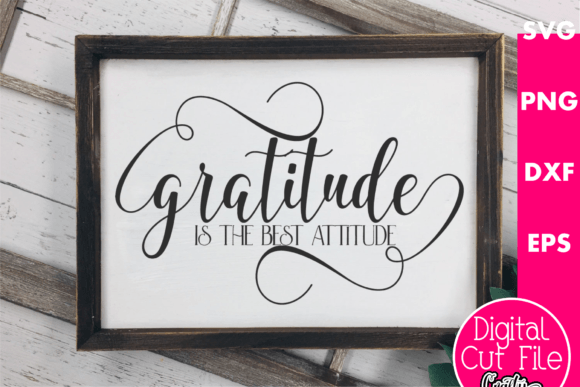
Gratitude Is the Best Attitude
As a designer who’s stitched over 300 custom embroidery projects—from boutique baby onesies to Etsy best-selling tote bags—I opened Gratitude is the Best Attitude expecting warmth, but what I found was something more useful: quiet confidence. It’s not flashy. It doesn’t shout. But it holds space—cleanly, legibly, and with gentle intention. That matters when you’re choosing a machine embroidery design for real products, not just Pinterest boards.
A Tote Bag That Feels Like a Hug
Last week, I used Gratitude is the Best Attitude on a natural cotton canvas tote for a local café’s staff gift set. No frills, no floral borders—just the phrase in a balanced, slightly rounded sans-serif, centered cleanly. The result? Instant recognition, zero squinting. Customers paused at the counter to read it aloud. One barista said, “It’s the kind of thing I’d actually keep—not toss in a drawer.” That’s the quiet power of this design: it lands emotionally *and* functionally. It reads well at 4 inches wide on fabric, scales down to 3 inches without losing clarity, and avoids thin serifs or tight kerning that collapse under satin stitch.
Where It Shines (and Where It Asks for Care)
Gratitude is the Best Attitude works beautifully for sweatshirt embroidery, pillow covers, tea towels, and nursery decor—especially on medium-weight woven fabrics like cotton twill, linen-blend aprons, or brushed poly-cotton baby blankets. Its open letter spacing and moderate stroke weight translate reliably into fill stitch and running stitch outlines. I’ve run it as a standalone embroidered patch (no applique needed) and as a subtle chest logo on unisex crewnecks—both came out crisp, with even thread tension and no puckering.
That said, it’s not universally forgiving. On stretchy jersey or ultra-thin rayon challis, I recommend testing first—and using cutaway + tear-away stabilizer combo. The lowercase “a” and “t” have small enclosed areas; on dark fabric, those can fade visually if thread contrast isn’t intentional (e.g., cream thread on navy). And while it fits neatly in a 4x4 hoop, don’t push it below 2.75 inches on textured terrycloth or looped terry kitchen towels—the fill stitch density can blur detail in the curves.
What It Does for Your Craft Business
If you’re an Etsy seller or small shop owner, Gratitude is the Best Attitude quietly lifts your perceived value. It reads handmade *without* looking amateurish. No clip-art energy. No forced whimsy. That builds customer trust—especially for personalized gifts (think: new moms, teachers, caregivers) where sincerity matters more than sparkle. I’ve seen it convert better than trendier quotes in holiday listings because buyers recognize its timelessness. It also pairs cleanly with minimalist printable mockups—no busy background needed. Just a soft shadow, clean fabric drape, and the phrase doing its work.
Design Notes You’ll Actually Use
- Test before you commit: Run a sample on scrap fabric matching your final product’s weight and stretch—even if it’s just one word (“Gratitude”) to check stitch flow and edge definition.
- Thread color is non-negotiable: This design relies on contrast. Try matte cotton thread in charcoal, oat, or deep sage on light backgrounds—or off-white on charcoal denim. Avoid metallics unless you’re aiming for subtle shimmer (they’ll mute the message).
- Hoop size & stabilizer: For apparel, use a 4x4 hoop minimum and medium-weight cutaway. For towels or napkins, add a light tear-away top layer to prevent thread snagging on loops.
- Check licensing early: Since this is a digital embroidery file sold as SVG, EPS, DXF, and PNG, confirm whether the license permits commercial embroidery (i.e., selling finished embroidered items) and/or resale of the digital file itself. Don’t assume—it’s always in the listing fine print.
- Small details matter: Zoom in on the “&” or period in preview files. If they’re vector-based and cleanly closed paths, they’ll stitch cleanly. If they’re rasterized or overly thin, expect gaps or skipped stitches.
- Mock it both ways: Preview the design in black-and-white and grayscale mockups—not just full-color. That reveals how legible it stays when printed on fabric labels or used in line-art branding.
Fabric & Context Choices That Make or Break It
This isn’t a design for high-drama applications: skip it on sequined jackets, curved cap fronts, or multi-layered quilted patches. It’s strongest where breathability and readability intersect—like a linen tea towel hung in a sunlit kitchen, a baby onesie gifted at a shower, or a small-batch apron for a herbalist’s shop. On dark fabric, go for tonal stitching (e.g., charcoal thread on black cotton) only if your audience values subtlety over impact. For craft fairs or boutique shelves, pair it with neutral packaging and handwritten care tags—it leans into the handmade product aesthetic without trying too hard.
Why It Fits Real Embroidery Workflows
Unlike many inspirational quote SVGs, Gratitude is the Best Attitude avoids decorative flairs that complicate digitizing: no swirls, no script tails, no overlapping letters. That means fewer jump stitches, cleaner trims, and faster hooping—critical when you’re batching 25 sweatshirts for a school fundraiser or prepping holiday inventory. It also translates well into applique design workflows if you want to add a single fabric accent (like a leaf-shaped “G” or heart dot over the “i”).
Most importantly, it respects the wearer’s experience. No scratchy dense fills. No tiny flourishes that snag on sweaters or baby skin. Just clear, calm, confident communication—stitched to last through washes, folds, and daily use.
Final Thought: Design With Intention, Not Just Aesthetics
Every embroidery file you choose carries weight—not just in stitch count, but in emotional resonance and practical execution. Gratitude is the Best Attitude earns its place because it balances both. It’s not the loudest option in the Crafts category or the most intricate in the Graphics library—but it’s the one I reach for when I need something that feels true, stitches true, and sells true. Whether you’re building a craft business, personalizing gifts, or curating small shop merchandise, this is the kind of design that grows quieter with time—and more meaningful.